


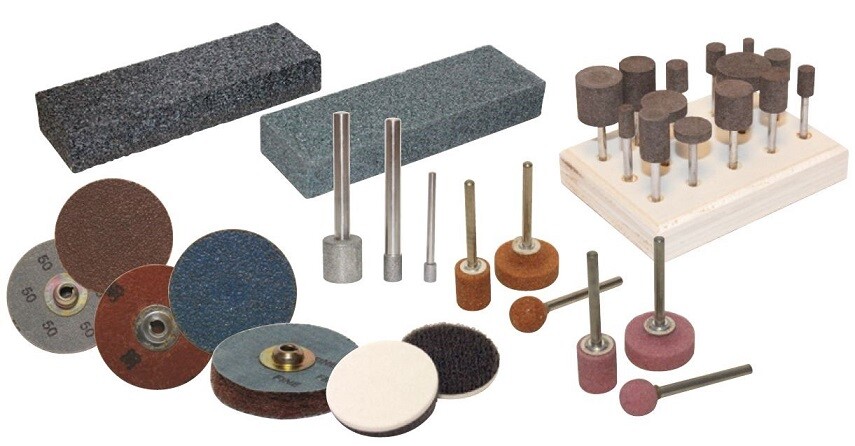
Mechanical processing is technically the starting point of the surface finishing process, but the actual work begins with grinding.
After machining, the surface of the metal typically shows rough marks from bulk erosion or cutting tools.
To achieve a sufficiently smooth surface—one that can later be treated with hand stones and ultimately polished with diamond pastes—handheld rotary finishing machines are used. These are the primary tools for removing small amounts of metal during the finishing process.
Handheld rotary machines operate with various abrasive tools, and the choice of grit size is crucial.
For effective processing, the operation starts with a coarser grit, then gradually moves to finer grits to shape and smooth the surface.
The tool must be mounted securely, with the shank inserted deeply to avoid vibrations.
With each replacement, it is recommended to lightly shape it using a dressing stone to ensure a uniform and concentric abrasive surface.
⚠️ Grinding tips
• Before starting, remove dust, grease, and solid debris. A well-cleaned surface allows for even processing.
• Choose the appropriate disc – start with the coarsest disc, usually 30 or 50 grit, depending on the material.
• Work carefully to avoid removing excess material. Move the machine in smooth, parallel lines without pausing in one spot.
• Grind at an angle (45°–90°) to the machining marks.
• Support your hands and forearms for better control.
• Insert the stone deeply into the holder to avoid vibrations.
• Work on small sections, then blend them together.
• Cross your movements to achieve an even surface.
• Listen to the sound of the machine – changes in sound indicate a change in speed or load.
• Dress the stone if it has worn unevenly or is loaded with metal.
• After the initial grinding, inspect the surface. If necessary, repeat the process or switch to a finer disc (e.g., 100 grit) for additional smoothness.
When grinding, it is important to consider the direction of rotation – moving against it can cause deflection, while moving with it may remove too much material.
The surface speed depends on the size of the stone – larger wheels have a higher peripheral speed at the same RPM.
✅ The result of quality coarse grinding ensures:
• A completely even surface.
• Removed imperfections and residues.
• An ideal base for fine polishing, impregnation, or coating.
Grinding Wheels
- Ceramic discs, highly flexible – HERE
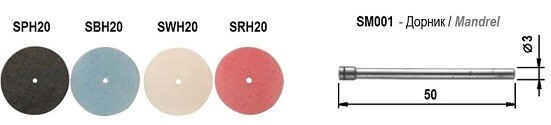
- Diamond grinding wheels – HERE
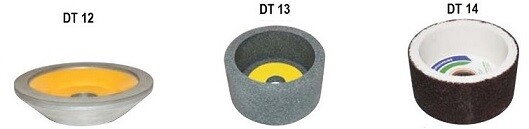
- Flat grinders – HERE

- Unwoven fabric grinders – HERE

Abrasive attachments
- Abrasive belts – HERE

Belt carriers (hard) – HERE
- Abrasive caps – HERE
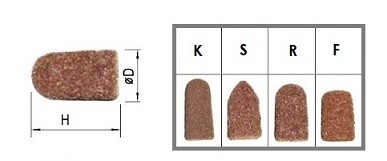
Rubber carrier for abrasive tip – HERE
- Abrasive discs, self-fixing – HERE
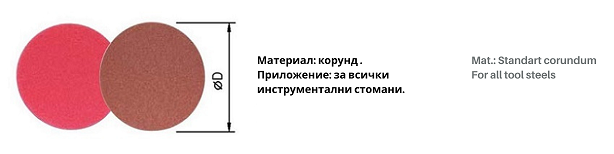
- Abrasive discs, self-adhesive- HERE
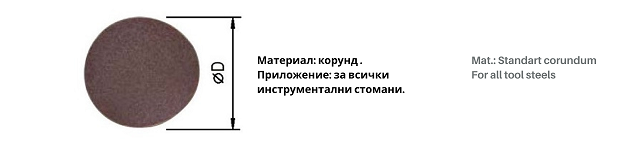
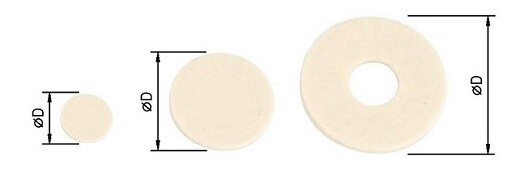
- Self-adhesive felt discs – HERE
Rubber carriers for self-adhesive discs
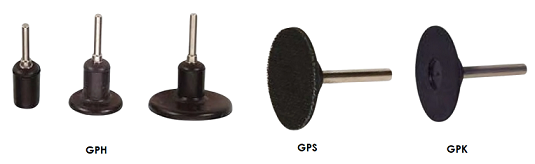
GPH – HERE
GPK – HERE
GPS – HERE
- Discs internal threaded (Corundum disc with attachment) – HERE
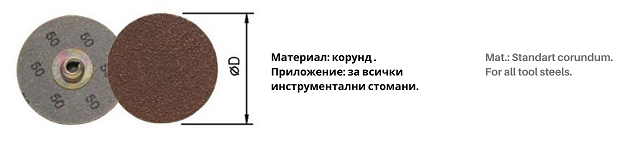
- Discs internal threaded (Zircon-corundum disc with attachment ) – HERE
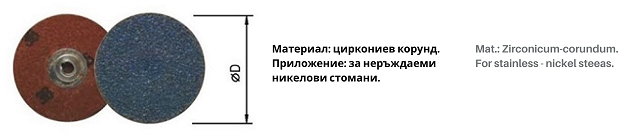
- Felt discs internal threaded – HERE
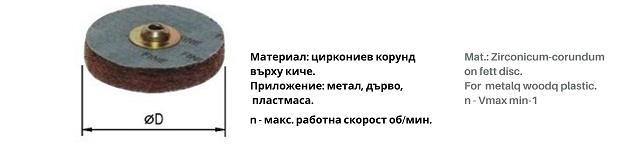
- Rubber carriers with thread – HERE
Polishing/grinding pins
- Red series – HERE

- Brown series – HERE

- Green series – HERE

- Light brown series – HERE

- Light gray series – HERE

Mounted points
- Orange – HERE

- Pink – HERE

- Dark red – HERE

- Green – HERE

You can also find sharpening stones with us – HERE
KRASCO


Did you like the article?
Please rate it with the stars below.